Grease Management & Fire Safety in NYC Commercial Kitchen
Commercial kitchens – from busy restaurants to school and hospital cafeterias – must strictly control grease and exhaust systems to ensure fire safety compliance. Grease vapor from cooking equipment collects in hoods and ducts and can ignite if not removed. In New York City (Brooklyn, Queens, and the Bronx), the FDNY and NFPA require regular cleaning of exhaust hoods to prevent hidden “fuel” sources of fire. Professional hood cleaning services use industrial-strength steam and degreasing equipment to remove stubborn grease deep in the ductwork, keeping kitchens up to code. This proactive maintenance protects people and property by eliminating the unseen fire risk that builds up with everyday cooking.
The key regulations and local agencies overseeing kitchen exhaust safety include:
- FDNY (New York Fire Department) – enforces local fire codes and inspects commercial kitchen hoods. Inspectors check that hood systems meet NFPA 96 standards, have approved fire suppression systems, and are cleaned frequently enough to minimize grease buildup.
- NFPA 96 (National Fire Protection Association Standard 96) – the national benchmark for ventilation control and fire protection in commercial kitchens. It specifies hood design requirements (e.g. UL‐listed baffle filters), grease removal devices, and mandatory cleaning schedules (from monthly to semi‐annual) based on cooking volume.
- NYC DEP (Department of Environmental Protection) – regulates grease disposal and rooftop emissions. The DEP forbids pouring oil or grease into the sewer (to prevent “fatbergs” that clog pipes). It also may require filtration or roof grease containment if exhaust is vented outdoors.
By understanding these standards and working with experts, kitchen operators can prevent most common violations. For example, routine hood cleaning by certified professionals ensures ducts and fans are grease-free, satisfying NFPA 96 and FDNY requirements. The DEP notes that improper grease disposal (like dumping oil down drains) causes sewer backups and expensive repairs. All these regulations underscore one point: proper grease containment and removal are essential to fire safety compliance in NYC kitchens.
Certified Hood Cleaning Services
Restaurants, hospitals, and schools all rely on fully functioning kitchen exhaust systems. Over time, grease coats hood surfaces and duct interiors, creating a highly flammable layer. “Most restaurant fires don’t start with open flames – they start in the exhaust system,” notes industry experts, because grease vapors turn ductwork into hidden fuel. A certified hood cleaning service uses specialized equipment to dismantle and clean the hood, filters, fans, and ducts down to code. For example, companies like Done Right Hood & Fire Safety send FDNY-certified technicians who inspect the entire exhaust system before and after cleaning, ensuring work is done to NFPA 96 standards. This thorough approach removes even the grease you can’t see, eliminating the spark risk and keeping 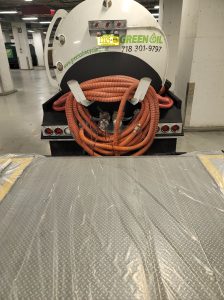 inspectors satisfied.
To stay compliant:
- Regular Cleaning Schedule: Follow NFPA 96’s cleaning intervals, which depend on cooking volume. High-heat or high-volume kitchens may need monthly cleanings, while lighter operations might be quarterly. Documentation of each service should be kept in case of FDNY inspection.
- Certified Technicians: Use a licensed hood cleaning team. They understand local codes and use safe degreasers and steam machines that reach into blower fans and ducts. Certified crews know how to clean below the surface, where hidden grease causes the greatest fire hazard.
- Equipment Maintenance: In addition to hoods and filters, ensure that fire suppression systems under the hood are serviced and tagged every six months by qualified technicians (a common FDNY requirement). Proper coordination of hood cleaning and suppression maintenance prevents violations.
By combining these practices, a kitchen’s exhaust system remains safe and efficient. For instance, Filta Kleen reports that using “industrial-strength steam cleaners” and power washers removes “toughest stains, grease, grime and hidden bacteria,” ensuring the highest safety and compliance standards. Done Right Hood & Fire Safety and similar specialists help restaurant and facility managers meet these NFPA and NYC requirements, so kitchens pass inspection with flying colors.
Grease Containment and Waste Oil Disposal
Beyond hood cleaning, grease containment is vital in every commercial kitchen. Hoods use UL‑listed baffle filters (installed at a 45° angle) to trap grease before it enters ducts, and many codes require a grease collection system on the roof. NFPA 96 even mentions “rooftop grease containment” devices for upblast fans. Inside the kitchen, grease traps and interceptors under sinks capture fats and oils before they enter the sewer. These traps must be sized, installed by licensed plumbers, and cleaned regularly to prevent sanitary sewer overflows or fines.
Once grease is collected, it must be disposed of safely. Used cooking oil is often called “yellow grease,” and it cannot just be poured down drains – that practice causes “fatbergs” of solidified grease in the pipes. New York City strongly encourages recycling: waste oil can be picked up by licensed haulers like Green Oil, who transport it to recycling facilities. This keeps oil out of municipal sewers and the environment. In practice, kitchens should pour their waste oil into approved containers and schedule regular waste oil pickup. The collected oil is then converted into biodiesel or industrial lubricants, turning a waste product into a resource.
Key practices for grease and oil management include:
- Grease Traps & Filters: Ensure hood filters, roof grease cups, and sink grease traps are installed per NFPA and plumbing codes, and cleaned by professionals. Well-maintained grease traps prevent clogs and odors, and reduce grease entering the HVAC system.
- Secure Storage: Store used grease and cooking oil in designated containers (with tight lids) until pickup. Do not mix oil with chemicals or wash it down drains.
- Licensed Haulers: Arrange frequent waste oil pickup with a certified recycler. Companies like Green Oil offer safe collection services for restaurants, hospitals, and schools. Removing oil on a scheduled basis prevents buildup and reduces fire risk in fryers and traps.
- Documentation: Keep records of grease trap pumping and oil pickup. In NYC, inspectors from DEP or the fire department may ask for proof of proper disposal, just as they ask for hood cleaning records.
Together, these measures close the loop on grease management: hoods capture grease and vents it out, traps catch grease from the floor, and waste oil is hauled away for recycling. This comprehensive approach not only preserves fire safety but also protects water quality and keeps the kitchen hygienic.
Adhering to certified cleaning schedules, employing professional service teams, and disposing of oil responsibly are all part of fire safety compliance for NYC kitchens. Facility managers in Brooklyn, Queens, and the Bronx who commit to these best practices can avoid violations and focus on serving their communities safely. By emphasizing proper grease containment and disposal, kitchens transform a major hazard into an opportunity for efficiency and sustainability – ensuring the safety of both people and the environment.