The Latest in Kitchen Exhaust & Compliance

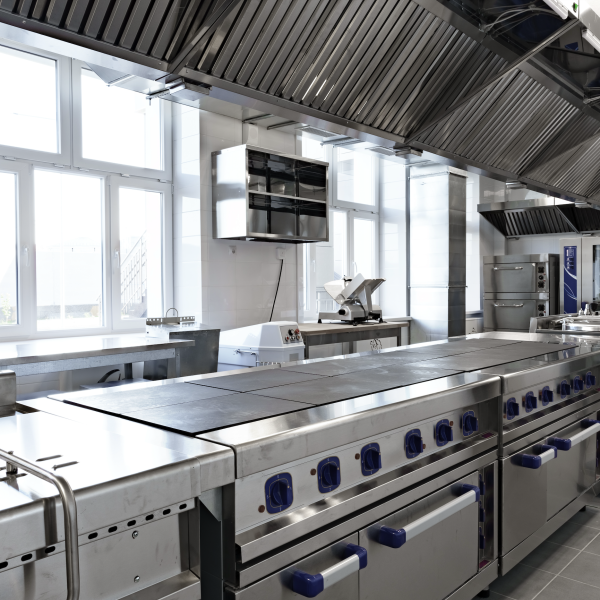
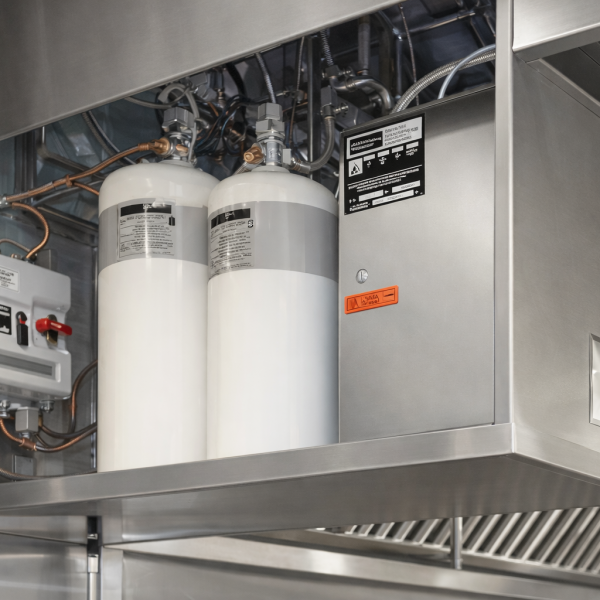
Commercial kitchen fire suppression system installed inside exhaust hood to prevent grease fires and ensure NFPA 96 compliance

Is Your Commercial Kitchen Hood Putting You at Risk? Spot Hidden Fire Dangers

Quick Take: Smart Kitchen Ventilation in Commercial Kitchens Smart kitchen ventilation helps restaurants operate more efficiently while staying safe and compliant. Key benefits include: Lower energy costs through demand-controlled ventilation and optimized airflow. Improved fire safety by minimizing grease accumulation in hoods, ducts, and exhaust systems. Longer equipment lifespan by preventing overheating and reducing mechanical…
Read More
Florida Fire Safety Inspections

NFPA 10 Fire Extinguisher Placement: Passing Florida Fire Safety Inspections

Florida Fire Safety Inspections: An Introduction to NFPA 10 Rule and Regulations When designing or renovating a Florida restaurant, fire protection is a top priority. While sprinkler systems and kitchen hood suppression capture headlines, portable fire extinguishers—governed by NFPA 10—are often overlooked yet remain essential in mitigating small-scale emergencies. Failing to include the right fire…
Read More
NFPA 211

Commercial Kitchen Hood Installation and Grease Prevention in NYC

Grease Management & Fire Safety in NYC Commercial Kitchen Commercial kitchens – from busy restaurants to school and hospital cafeterias – must strictly control grease and exhaust systems to ensure fire safety compliance. Grease vapor from cooking equipment collects in hoods and ducts and can ignite if not removed. In New York City (Brooklyn, Queens,…
Read More
Restaurant Fire Code Violations

Top Restaurant Fire Code Violations from 2025 and How to Avoid Them in 2026

How 2025’s Most Common Restaurant Fire Code Violations can Help Operators Stay Compliant in 2026 Restaurant fire code violations were one of the most frequent causes of high-cost interruptions for NYC and South Florida restaurants and commercial kitchens in 2025. Whether it was a surprise inspection, a complaint-triggered visit from the FDNY, or just a…
Read More
used cooking oil recycling to biodiesel

Used Cooking Oil Recycling Now Mandated: What 2025 Policy Changes Mean for Restaurants

New Waste Oil Regulations Make Used Cooking Oil Recycling a Compliance Requirement Most restaurants don’t think twice about what happens to their used cooking oil. It gets dumped, drained, or picked up, and that’s that. But in 2025, that type of indifference has begun costing operators money, opening them up to liability, and leaving serious…
Read More
Hood and duct cleaning

The Importance of Hood and Duct Cleaning in South Florida Restaurants

Quick Take: Your Hood and Duct Cleaning Do’s and Don’t for Compliance in South Florida Health & Safety: Regular hood and duct cleaning removes grease buildup that fuels dangerous kitchen fires and prevents contaminants from affecting air quality and food. Regulatory Compliance: South Florida restaurants must adhere to strict fire codes and health standards (based on NFPA 96) that…
Read More
Winter Kitchen Maintenance Checklist for Restaurants

Winter Kitchen Maintenance Checklist for Restaurants

Quick Take: Your Winter Kitchen Maintenance Checklist for a Trouble-Free Season According to the National Fire Protection Association, nearly 60% of restaurant fires involve cooking equipment, and poor ventilation is a leading factor. Winter is the season when these risks escalate most. A well-planned winter kitchen maintenance checklist is the key to keeping commercial kitchens…
Read More
FDNY Hood Cleaning Violations

FDNY Hood Cleaning Violations: Why These 3 Mistakes Are Often Flagged

Quick Take: FDNY Hood Cleaning Violations – 3 Mistakes to Avoid FDNY hood cleaning violations are among the top reasons restaurants face citations and forced closures. These mistakes are simple, but costly. Surface-level cleaning leaves grease in ducts and fans, triggering violations Missing service stickers or incomplete documentation fail inspection checks Unlicensed vendors often don’t…
Read More
NFPA 96 2025 Updates

NFPA 96 2025 Updates: What Changed and Why It Matters for Your Kitchen

Quick Take: Key Insights from the NFPA 96 2025 Updates The NFPA 96 2025 updates introduce new fire safety and ventilation requirements for commercial kitchens. Operators need to act quickly to stay compliant, avoid penalties, and maintain safe, efficient operations. Monthly hood cleanings are now required for high-volume and 24/7 kitchens All fire suppression systems…
Read More
smart kitchen ventilation

How Modern Smart Kitchen Ventilation Systems Cut Costs and Improve Safety

Quick Take: Smart Kitchen Ventilation in Commercial Kitchens Smart kitchen ventilation helps restaurants cut costs, boost safety, and extend equipment life. Key benefits include: Lower energy bills through demand-controlled fans and efficient airflow. Improved safety by reducing grease buildup and fire risk. Extended appliance lifespan with balanced airflow that prevents overheating. Compliance support with NFPA…
Read More
Commercial Hood Cleaning in NYC During Restaurant Wee

Why Commercial Hood Cleaning in NYC Matters During Restaurant Week

A Quick Take The Role of Commercial Hood Cleaning in NYC During Peak Seasons Commercial hood cleaning in NYC becomes essential during high-traffic events like Summer Restaurant Week, when kitchen exhaust systems are pushed to maximum capacity and, in some cases, beyond. The increases in cooking hours inevitably lead to faster grease buildup, compromising exhaust…
Read More
Miami Restaurant Health Inspections

Miami Spice 2025: Why Miami Restaurant Health Inspections Matter More Than Ever

Quick Take: What Miami Restaurant Health Inspections Mean During Miami Spice Miami restaurant health inspections carry extra weight during the August–September Miami Spice season, when media coverage and diner volume are both at their peak. Common violations include grease trap overflows, dirty exhaust systems, fire suppression issues, and improper food storage—all of which are preventable…
Read More
Fort Lauderdale Fire Suppression Systems

Fort Lauderdale Fire Suppression Systems: Regulations, Risks, and Maintenance

What Fort Lauderdale Fire Suppression Systems Must Do to Stay Compliant A Quick Take: Fort Lauderdale fire suppression systems must comply with NFPA 17A, NFPA 96, and Broward County fire codes to remain operational and avoid costly penalties. Commercial kitchens and venues are required to perform regular inspections, hood cleanings, and system maintenance. Proper documentation,…
Read More
FM-200 Fire Suppression Systems

FM-200 Fire Suppression Systems: Protecting Data Centers, Museums, and Beyond

Why FM-200 Fire Suppression Systems Are the First Choice for High-Value Asset Protection FM-200 (HFC-227ea) is a widely adopted clean-agent fire suppression gas designed to protect sensitive assets without collateral damage. Chemours notes that FM-200 “is used in thousands of applications – including cultural property, data centers, and critical infrastructure”. In practice, FM-200 is stored…
Read More
Char Broiler Emissions Compliance in NYC

New DEP Regulations Will Impact Char Broiler Emissions Compliance in NYC

New DEP Rule: A Wake-Up Call for NYC Restaurants As of November this year, the planned changes to char broiler emissions compliance in NYC will be enforced. Initially reported early in 2025, the NYC Department of Environmental Protection (DEP) will enforce these strict new regulations, targeting commercial under-fired char-broilers that cook more than 875 pounds…
Read More
Fire Safety for Food Trucks

Fire Safety for Food Trucks: What Mobile Kitchens Need to Know

Fire Safety for Food Trucks – The Hidden Fire Risks of Mobile Kitchens Fire safety for food trucks is more than a checkbox, it’s also a lifeline that ensures productivity, profitability and general safety. During the summer months in the greater NYC area, food trucks and pop-up kitchens take over sidewalks, parks, festivals, and open-air…
Read More
Hidden Fire Safety Hazards

Top 3 Hidden Fire Safety Hazards in Commercial Kitchens (And How to Spot Them)

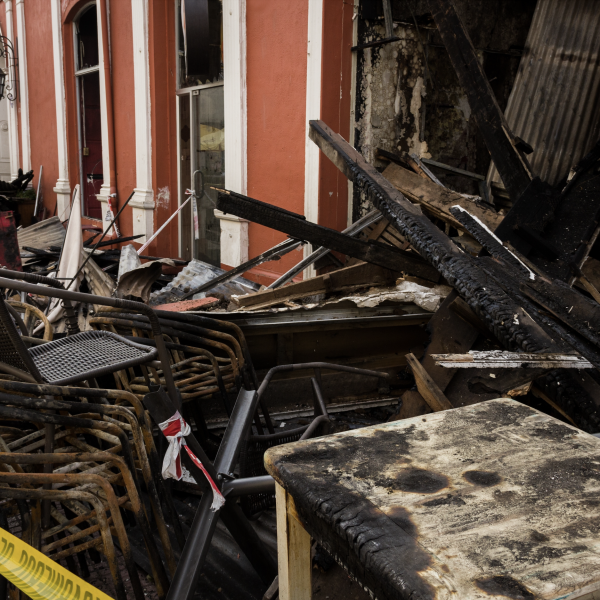
What are the Hidden Fire Safety Hazards in Commercial Kitchens? Commercial kitchens are high-output environments with constant heat, open flames, and high volumes of grease — making them inherently vulnerable to fire. But while most restaurant owners understand the basic risks, it’s the hidden hazards that cause the most damage and lead to costly violations…
Read More
NFPA 211

NFPA 211: Why Florida Restaurants Need Regular Venting System Maintenance

NFPA 211: Done Right’s CEO Jacob Chechkov reveals the truth about Fire safety   When most people hear “chimney” and “venting,” they think of old-fashioned fireplaces in homes. However, NFPA 211—the Standard for Chimneys, Fireplaces, Vents, and Solid Fuel–Burning Appliances—has important ramifications for commercial venting systems too. In Florida’s vibrant restaurant scene, many establishments rely…
Read More
NFPA 90 For Florida Restaurants

NFPA 90A Duct Detector and Hood Requirements for Florida Restaurants

Understanding NFPA 90A Compliance From bustling beachside cafés to fine-dining establishments in the heart of Orlando, Florida is home to a dynamic, thriving restaurant scene. In such a high-demand environment—where cooking equipment runs hot for long hours—it’s critical to have a ventilation system that is both effective and code-compliant. That’s where NFPA 90A (Standard for…
Read More